
Emotional Stress: When You're Physically Present but Rarely Here
The more I explore, research, and reflect on my own life, the clearer the picture becomes.
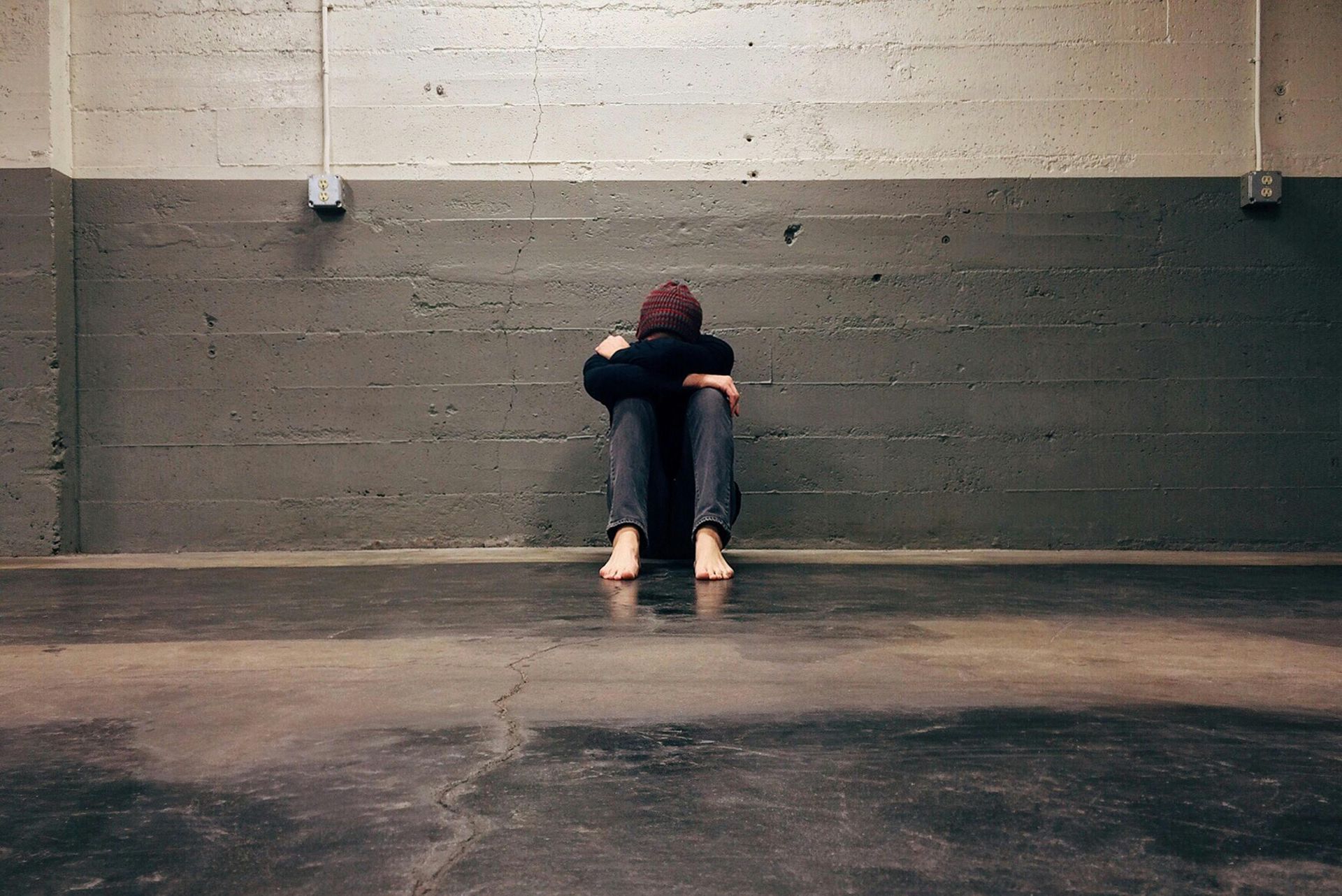
When this journey first started, I thought I was just depressed.
Then I realised I was burned out. Emotionally and mentally
And now, looking back and connecting all the pieces — my childhood, my responsibilities, my patterns, my body — I can see the deeper truth:
I was emotionally stressed for most of my life.
Not loudly.
Not obviously.
But consistently.
I reached a point where I had done “everything right.”
-I had built healthy habits.
-I had awareness.
-I had knowledge from life coaching courses and from working with a coach myself.
-I exercised. I practised yoga. I ate well.
And yet…
My body never fully relaxed.
I lived with constant neck and shoulder pain.
A permanently bloated tummy.
And a mind that simply wouldn’t switch off — even during moments that were meant to be relaxing.
And this is the truth many women don’t hear often enough:
Even with awareness.
Even with knowledge.
Even when you’re doing everything right…
- the body keeps the score.
What Emotional Stress Really Is
Emotional stress isn’t just about being busy.
It’s not only about having a demanding job or a full calendar.
And it’s not always linked to one big traumatic event.
Emotional stress is what happens when your nervous system stays on for too long.
It builds when you’re constantly:
● holding responsibility
● adapting and coping
● thinking ahead
● managing everyone and everything
● pushing your own needs aside
Over time, this doesn’t just stay in the mind.
It settles into the body.
Tight shoulders that never soften.
Digestive issues.
Fatigue that rest doesn’t fix.
A sense of being physically present — but mentally somewhere else.
How Emotional Stress Showed Up in My Everyday Life
For me, emotional stress showed up in ways that, at the time, I brushed off or even laughed about.
I became extremely forgetful.
I used to joke that I had a “fish memory.”
I would walk to a school for parents’ evening and suddenly wonder: Which school is this? And which child am I here for?
I would make small mistakes constantly — nothing dramatic, but enough to make me doubt myself.
During yoga, I would forget which side I had already done.
During a facial or massage, instead of relaxing, my mind would jump straight into my to-do list.
If I remembered I needed to go to the supermarket later, I’d start mentally creating a shopping list — right there on the massage table.
What was meant to be relaxing actually became stressful.
Because I was never fully present.
I was living in a parallel universe — or another time.
Sometimes in the future, running through everything I needed to do.
Sometimes in the past, replaying painful conversations in my mind.
Conversations with people who had hurt me.
With people who never truly saw me.
And often — painfully — with the people I loved the most.
Living Everywhere Except the Present Moment
When this happens for long enough, something subtle but serious occurs.
You start losing yourself.
Life becomes functional but flat.
You move through your days on autopilot.
There’s no real sense of purpose, meaning, or joy — just responsibility.
You feel lost.
Disconnected.
Not really you anymore.
And when the people closest to you don’t see what’s happening — or don’t understand it — something else begins to grow.
Self-doubt.
You stop trusting yourself.
Your confidence drops.
Your self-esteem follows.
And then, quietly, you begin to believe that this is just who you are:
-low
-negative
-difficult
-too sensitive
And the world starts seeing you that way, too.
And Then Burnout Happens
When emotional stress goes on for long enough, burnout isn’t a surprise — it’s a consequence.
Burnout isn’t just feeling tired.
It’s feeling empty.
The body slows down because it has no other choice.
Motivation disappears.
Things that once felt easy start to feel heavy.
You might feel:
● exhausted no matter how much you rest
● emotionally flat or numb
● disconnected from things you used to enjoy
● irritable or tearful without knowing why
● unable to keep up — even though you’re still trying
Burnout is not failure.
It’s the body and nervous system saying: I can’t keep living like this.
And for many women, burnout is the moment when emotional stress finally becomes impossible to ignore.
Emotional Stress Isn’t a Personality Flaw
This is where I want to be very clear.
This isn’t who you are.
This is what happens when emotional stress has been running your system for too long.
Your mind becomes busy.
Your body stays tense.
Our nervous system never fully rests.
And no amount of “trying harder,” positive thinking, or discipline can fix that.
What Actually Helps Emotional Stress
What helped me — and what I now support others with — wasn’t pushing more or learning how to cope better.
It was learning how to:
● recognise emotional stress in the body
● slow the nervous system gently
● reconnect with myself instead of overriding myself
● meet my experience with compassion rather than judgment
Not perfectly.
Not overnight.
But sustainably.
Because emotional stress doesn’t need fixing.
It needs understanding and safety.
A Gentle Invitation
If parts of this feel familiar, you’re not alone — and you’re not broken.
Coaching can offer a safe, supportive space to explore emotional stress, reconnect with yourself, and begin responding to life differently — with more clarity, calm, and self-trust.
No pressure.
No quick fixes.
Just support, awareness, and space to come back to yourself.